
The itch-scratch cycle is a hallmark of the chronic, inflammatory skin condition atopic dermatitis (AD).1
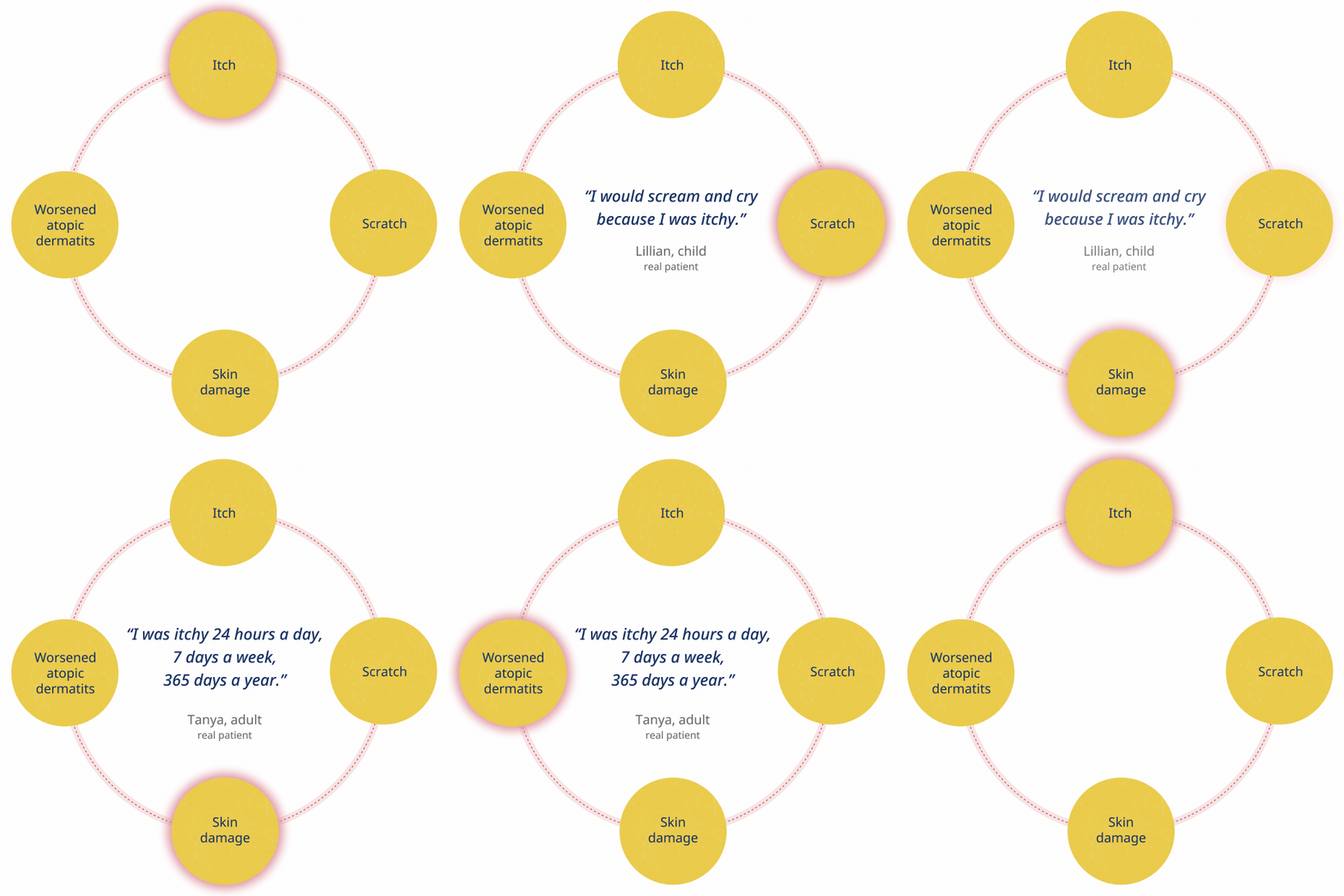
In one study, this relentless cycle caused bleeding and/or cracking for over half of adults with uncontrolled moderate-to-severe AD 5 to 7 days a week.2
But to understand the true burden of AD, let’s go under the skin.
People with atopic dermatitis
Malena, real patient
Who suffers from AD?

AD is most prevalent in children under ten.

But an estimated 1 in 5 children never outgrows their AD.3
For some, it has an impact that lasts a lifetime.4
What does life look like with moderate-to-severe AD?
We can see the physical suffering of this disease. But AD can be a long, emotional journey that goes unseen through childhood, adolescence, and adulthood.
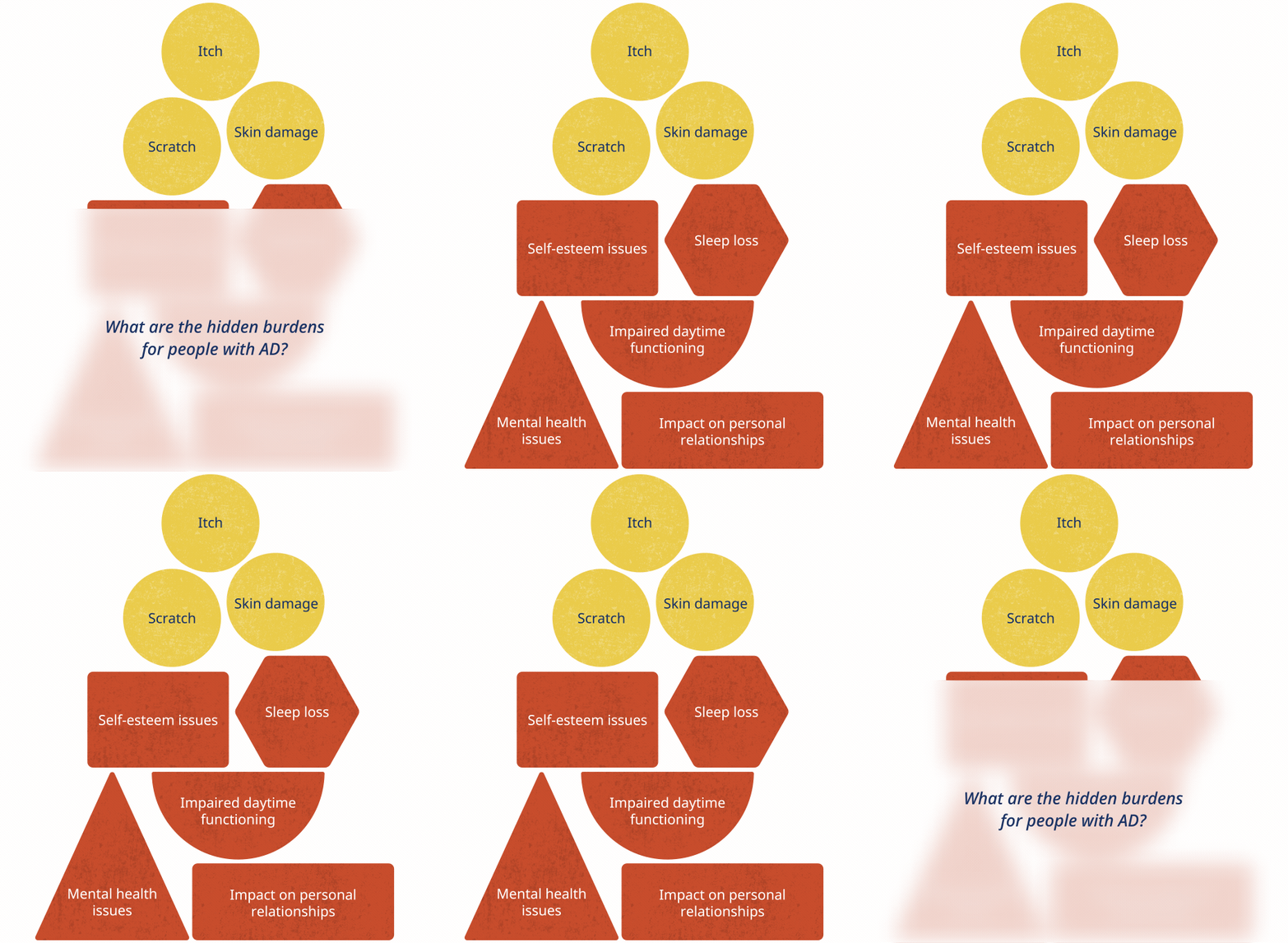
Self-esteem issues
Self-esteem issues
Self-esteem issues
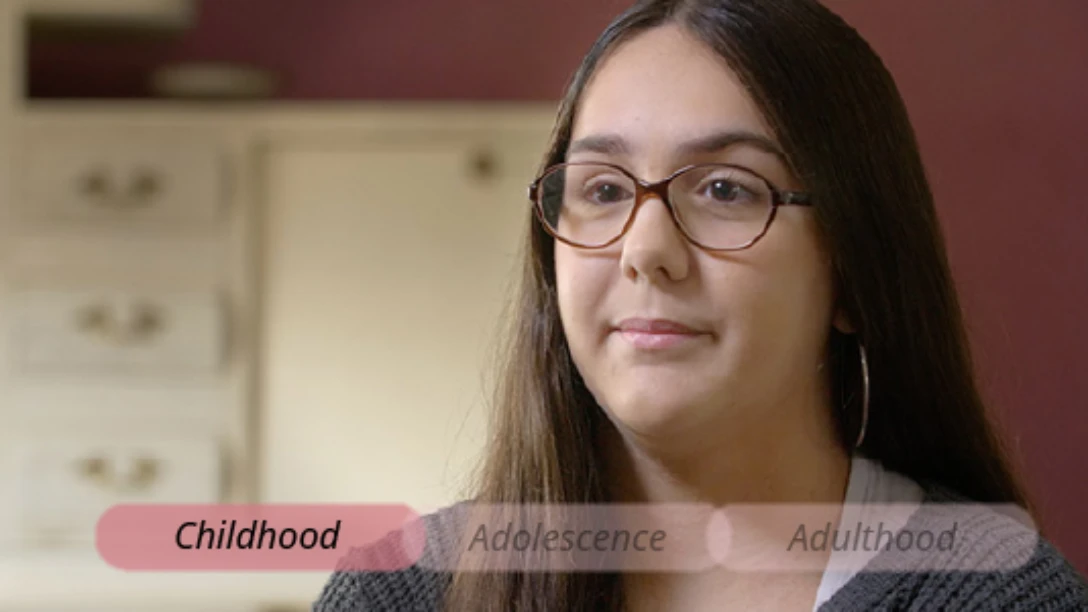
“When I was going to elementary school, they often ignored me, and my classmates thought [atopic dermatitis] was contagious and that they’d get ill. That is the hardest part.”
Malena
14, Argentina*, real patient
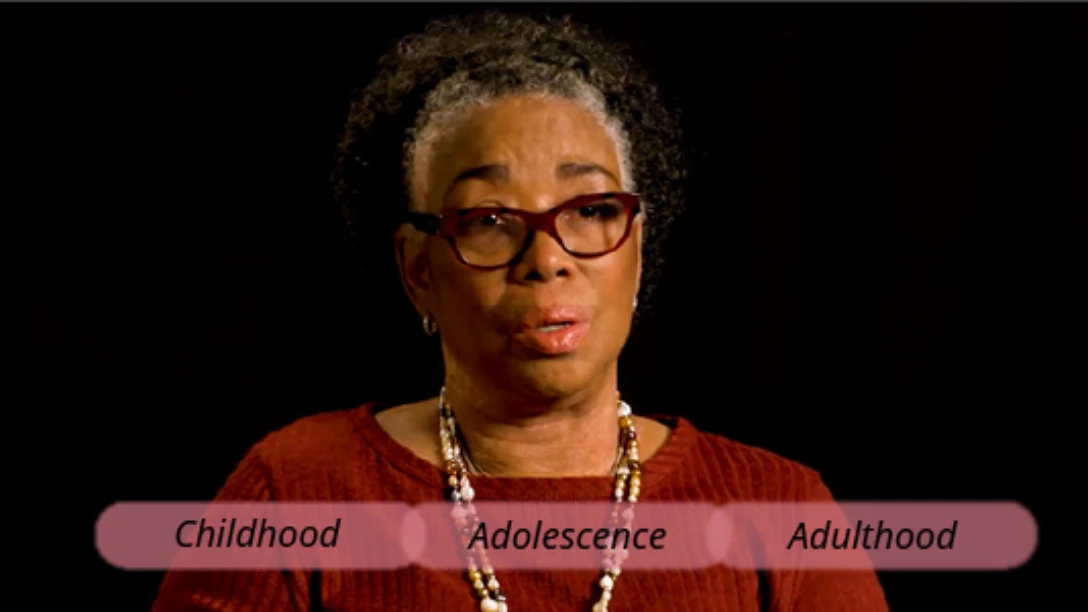
"When you're scratching all the time, people think you're dirty, and have bugs. It makes your self-esteem very low."
Camille
59, US*, real patient
* Age and location at the time of filming.

Sleep loss
Self-esteem issues
Sleep loss
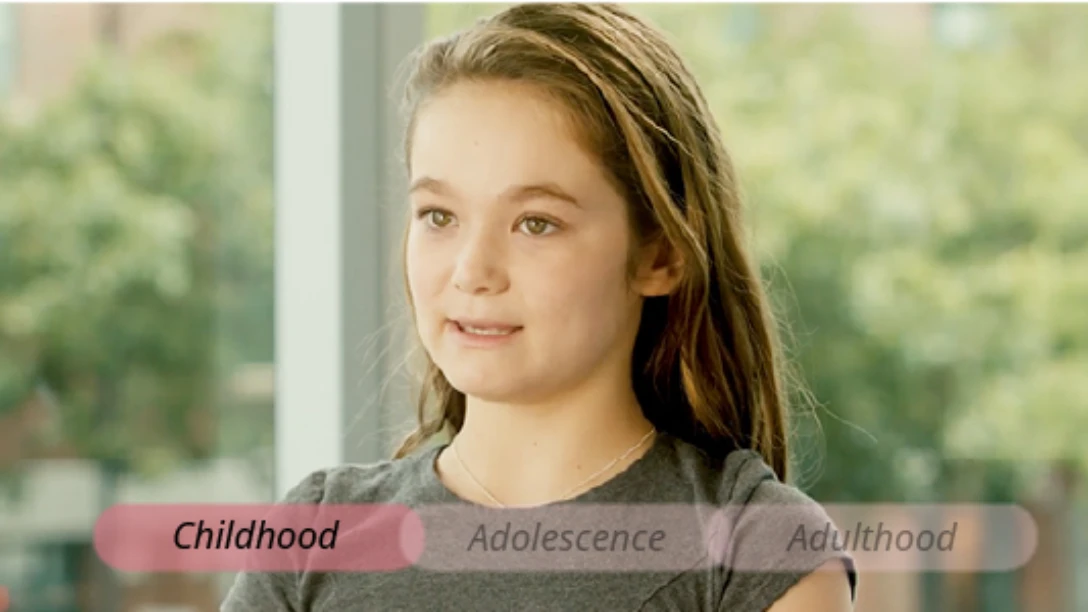
“I would be itchy, I would be scratching,
I wouldn't get any sleep. And I'd wake up, and I'd be bleeding.”
Lilian
11, US*, real patient
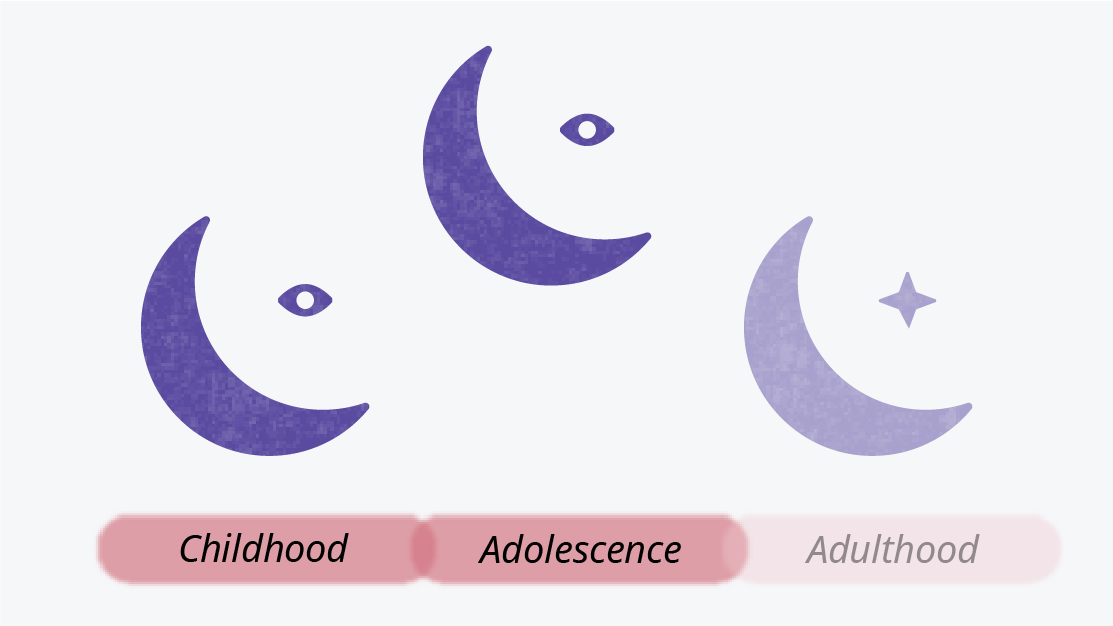
2 in 3 children with AD ages 5 to 17 reported sleep disturbances5

"I would spend all night long itching constantly. I would scratch my scalp so hard that there would be pieces of hair on my pillow. And I would see the scabs and skin and blood on my pillow."
Tanya
43, Canada*, real patient
* Age and location at the time of filming.
5 Fishbein AB, et al. Sleep Disturbance in School-Aged Children with Atopic Dermatitis: Prevalence and Severity in a Cross-Sectional Sample. J Allergy Clin Immunol Pract. 2021;9(8):3120-3129.

Impaired daytime functioning
Self-esteem issues
Impaired daytime functioning
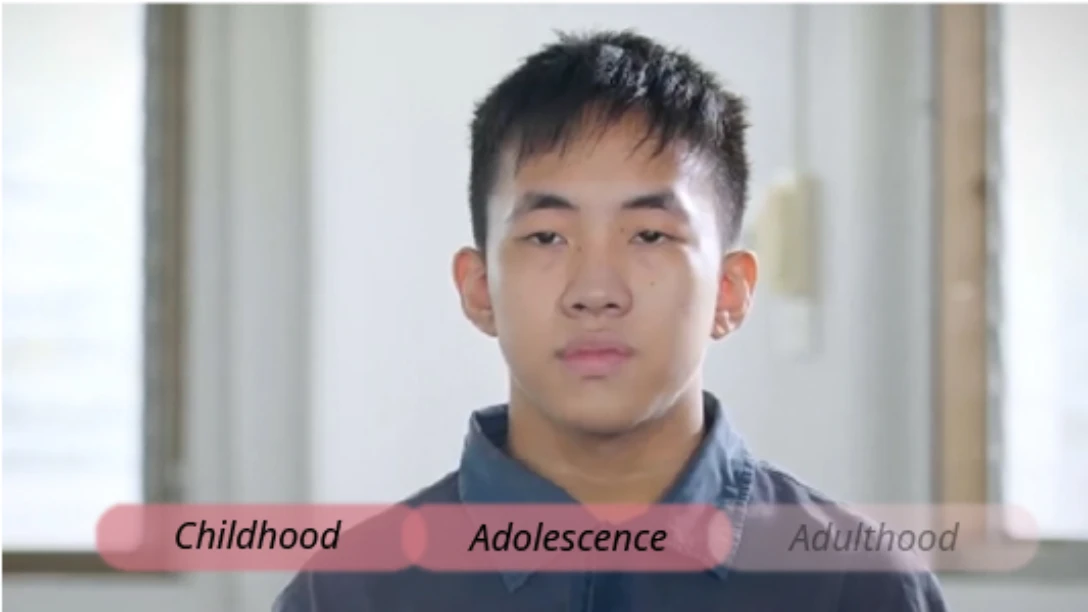
“When the symptoms intensified I couldn't even walk. I got painful blisters on my feet. I cannot endure cold weather. My life had completely changed. No friends. AD had stolen my teenage years.”
Win
16, Thailand*, real patient
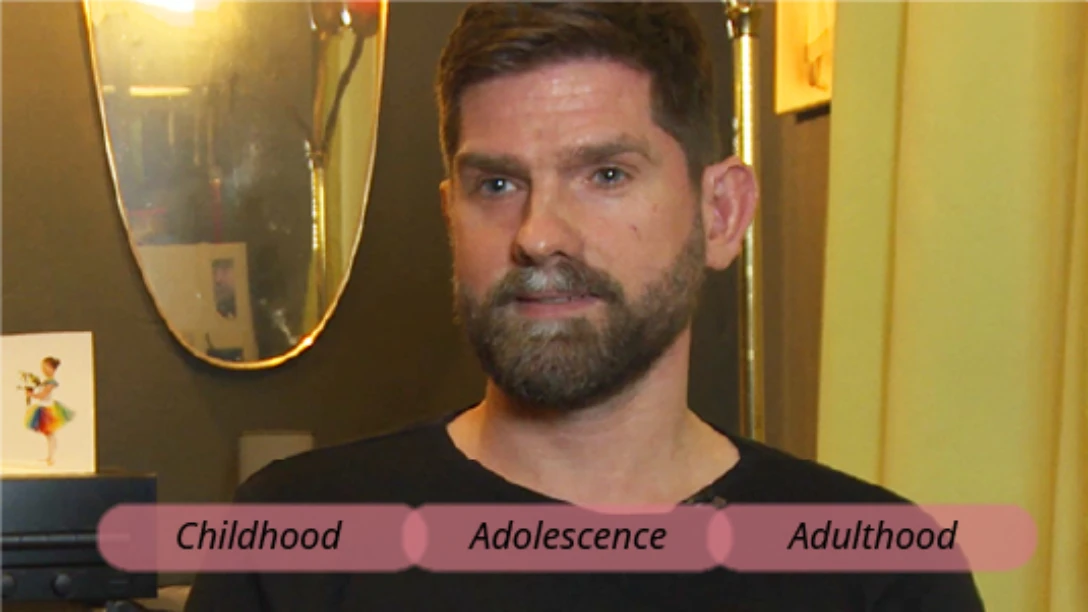
"There were times when my skin was so bad that I'd stay in bed all day and do absolutely nothing. (...) I never felt as though I could fully participate in life."
Rainer
42, Germany*, real patient
* Age and location at the time of filming.
Mental health issues
Self-esteem issues
Mental health issues
Up to 50% of children and adolescents with AD feel unhappy or depressed during a flare6
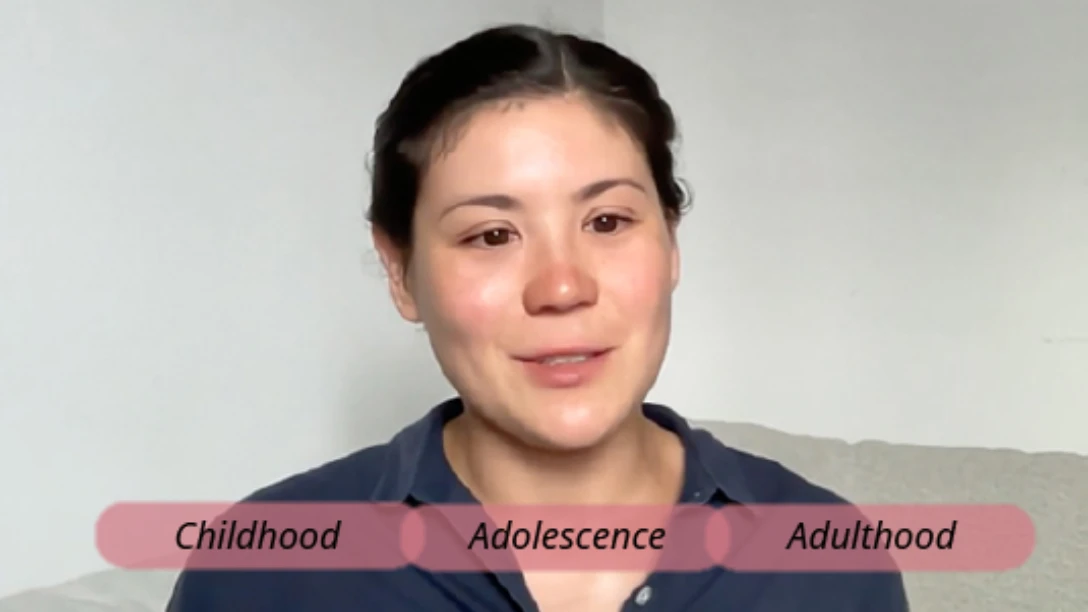
“It can take a toll on our emotions and I just would love people to know that it is not just about how we look, it's also how we feel inside.”
Kortney
33, Germany*, real patient
6 Zuberbier T, et al. Patient perspectives on the management of atopic dermatitis. J Allergy Clin Immunol. 2006;118(1):226-32.
* Age and location at the time of filming.

Impact on personal relationships
Self-esteem issues
Impact on personal relationships

“In middle school, when you’re looking at boys, I had a boy say ‘You’re ok and everything but that stuff on your skin, it's not going to work.’”
Camille
59, US*, real patient
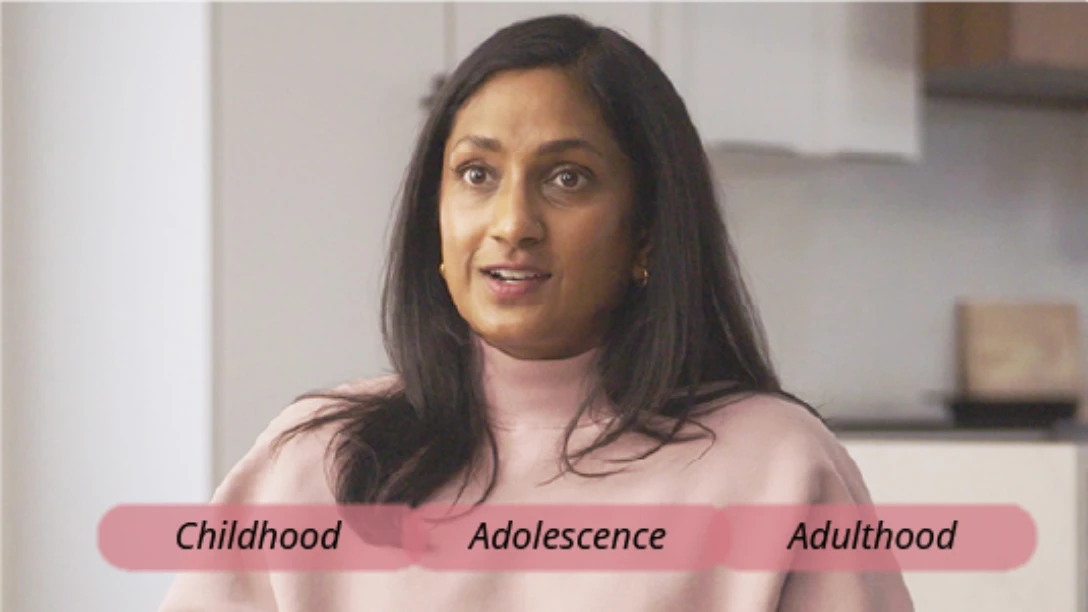
"I think having Atopic Dermatitis prevented me from dating or getting into serious relationships with people because intimacy was always a concern."
Tanya
43, Canada*, real patient
* Age and location at the time of filming.
Carers and the family
Tanya and her son, real patients
How do carers and the family share the burden?
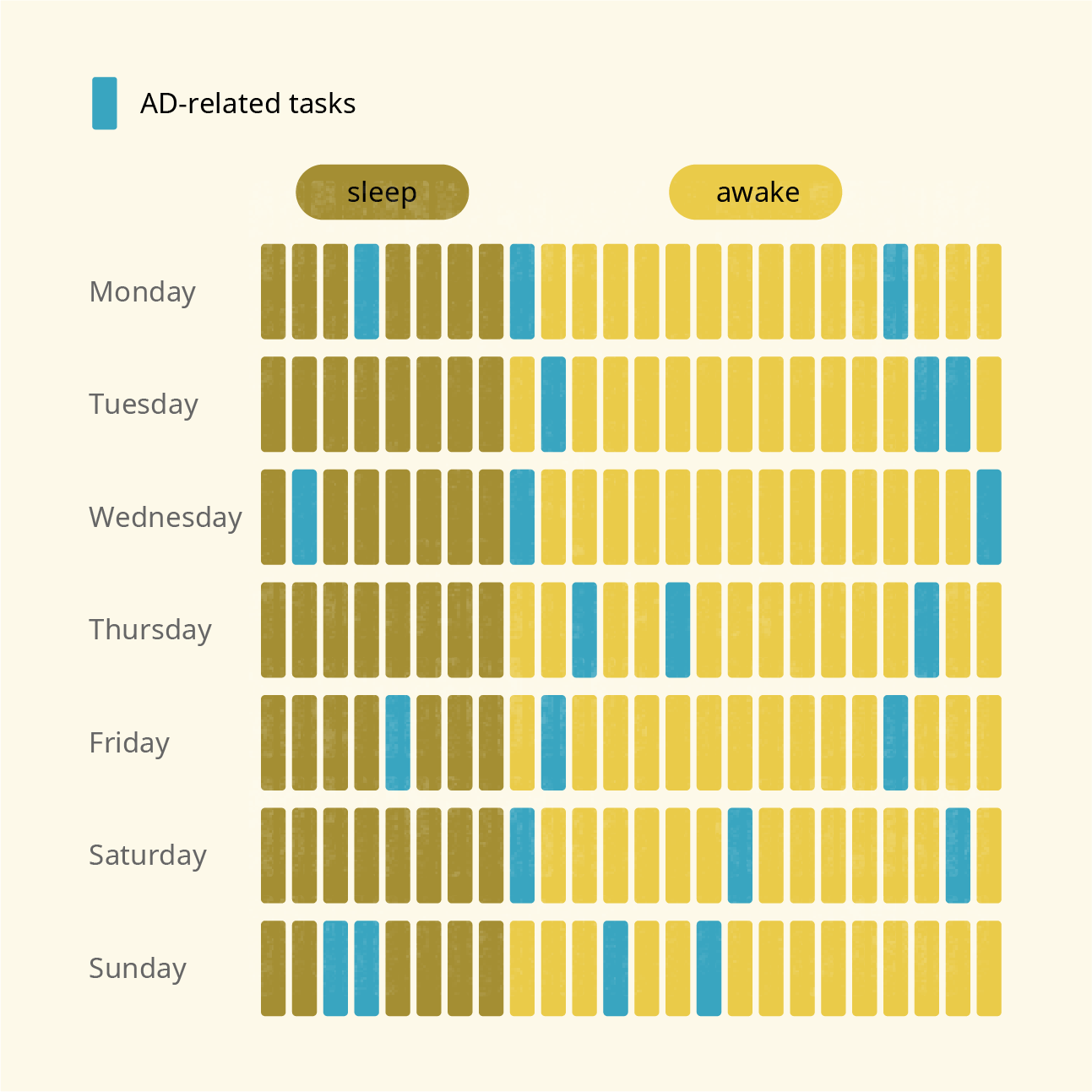
Carers estimate they spend 22 hours a week on AD-related tasks.7
That amounts to an average of 3 hours per day.
AD impacts the quality of life of the carer and the family
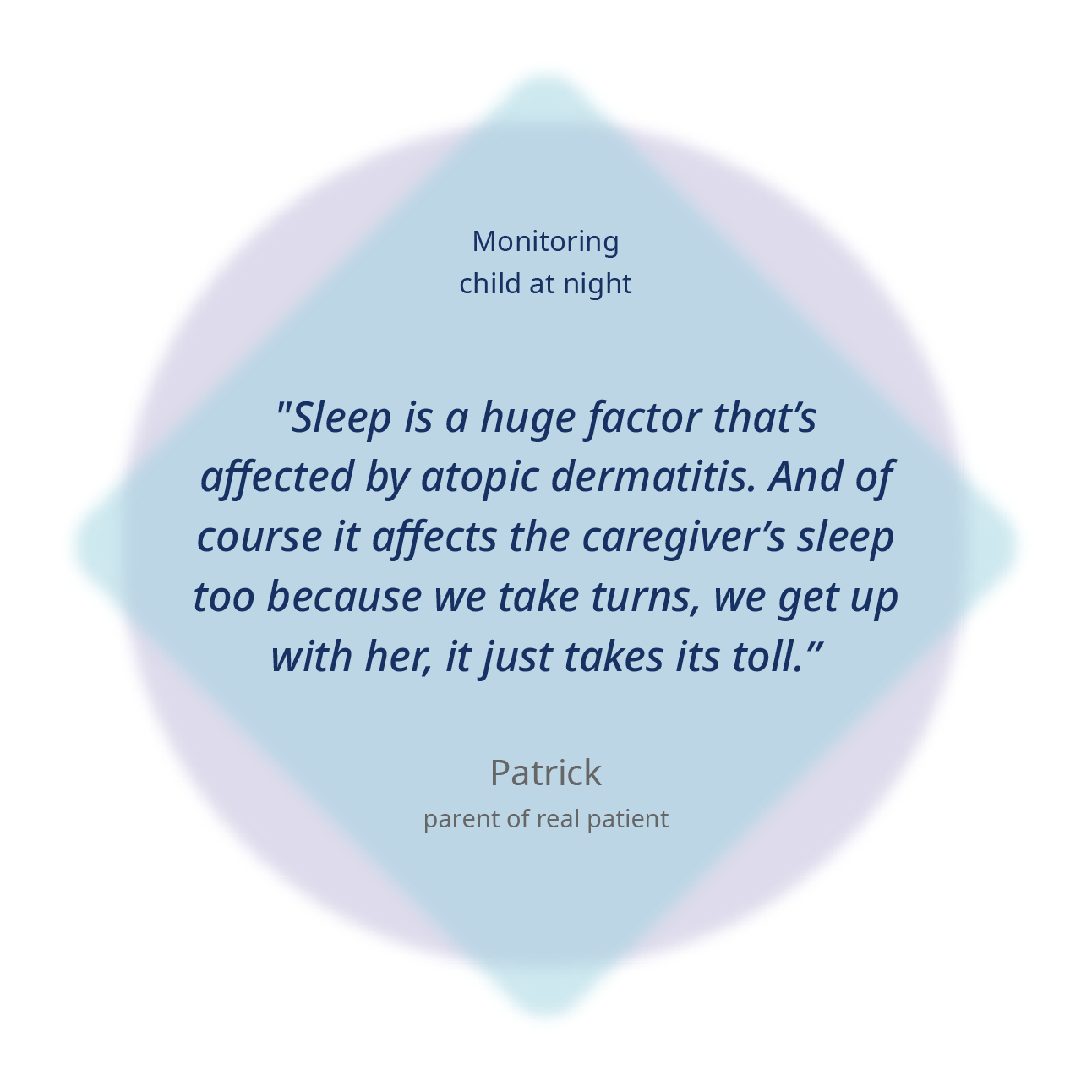
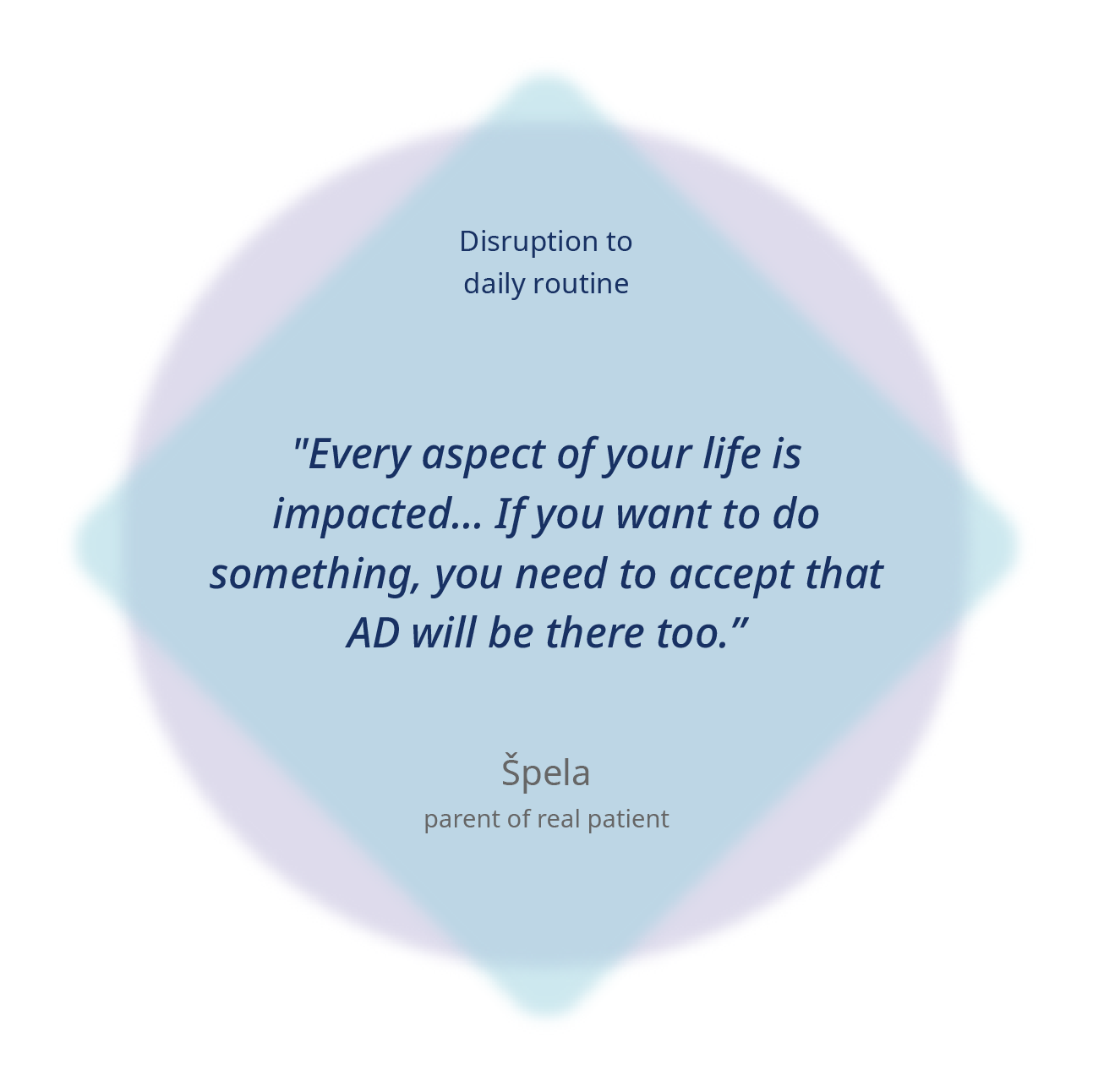
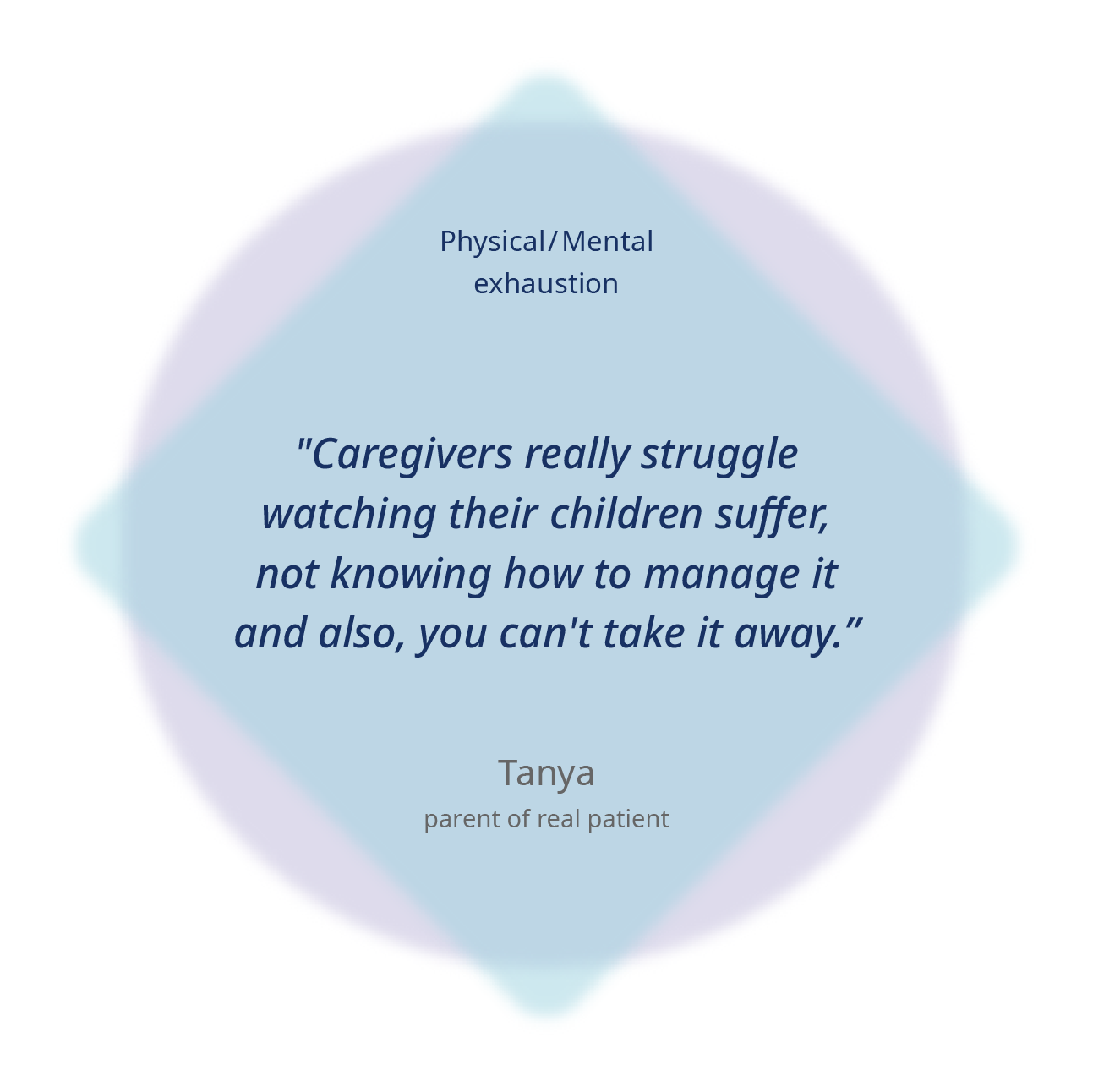
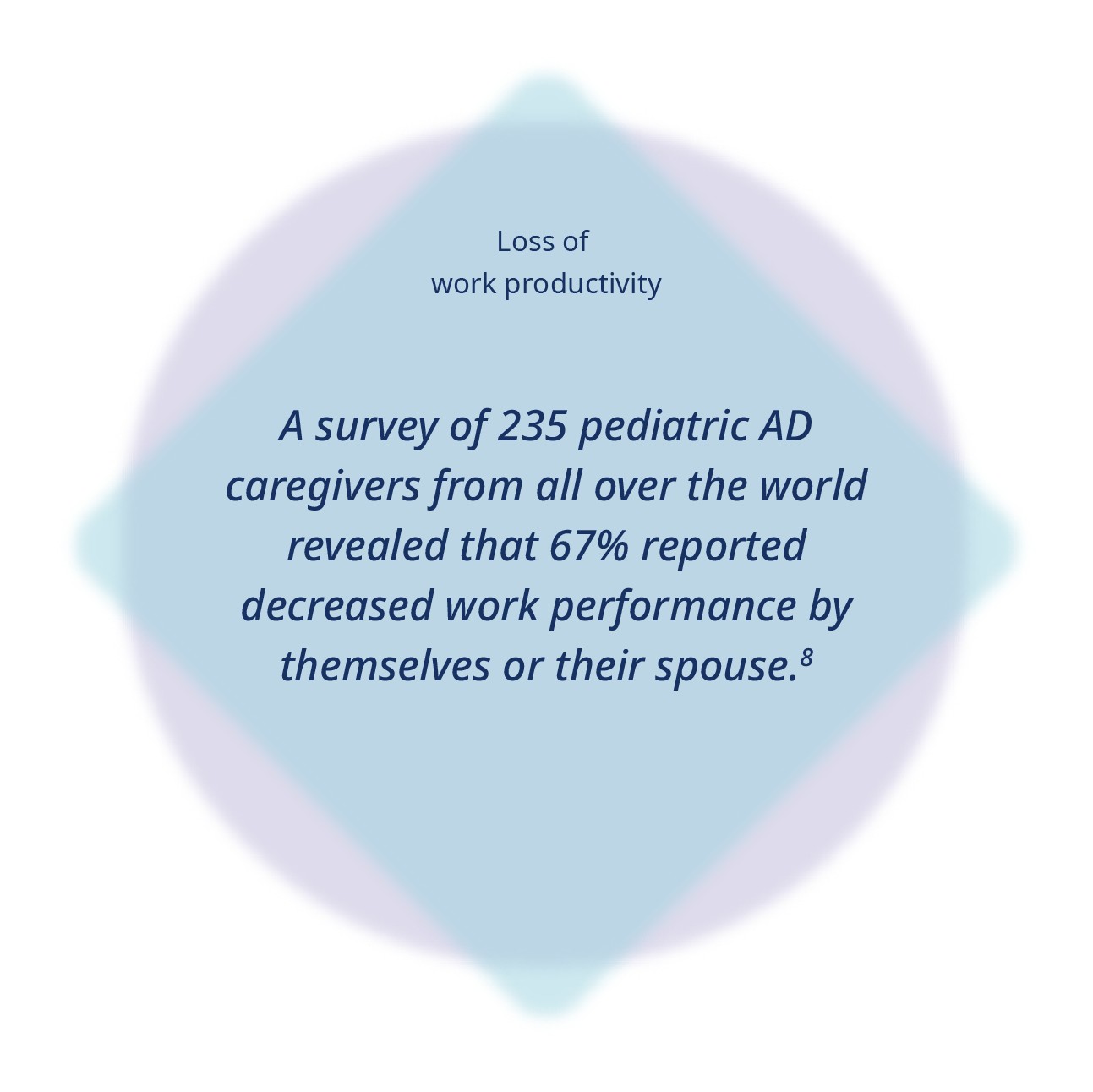
Caring for a child with moderate-to-severe AD involves more than just a time commitment. Here, we'll explore some of the unseen burdens that fall on carers and family members.
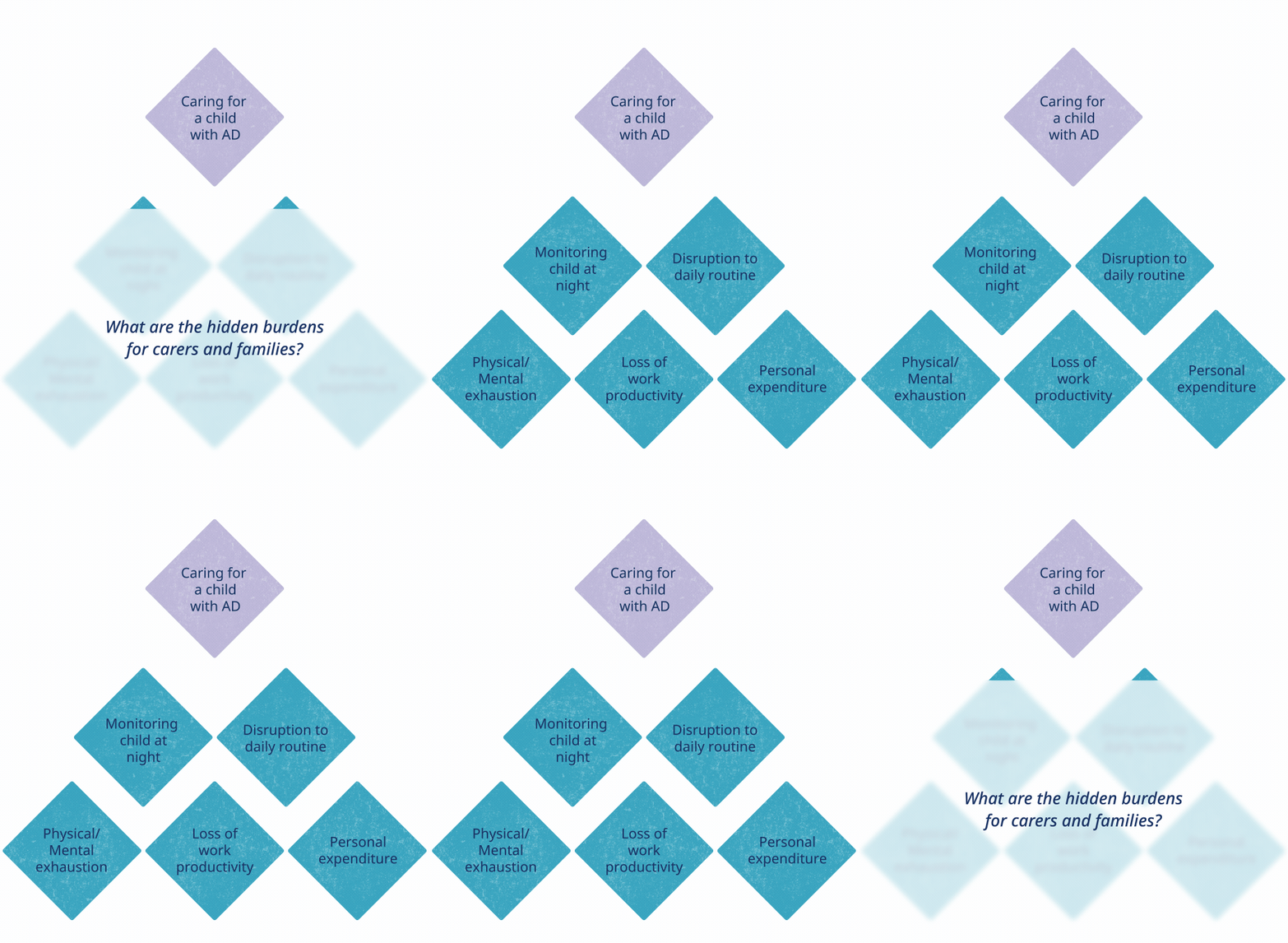
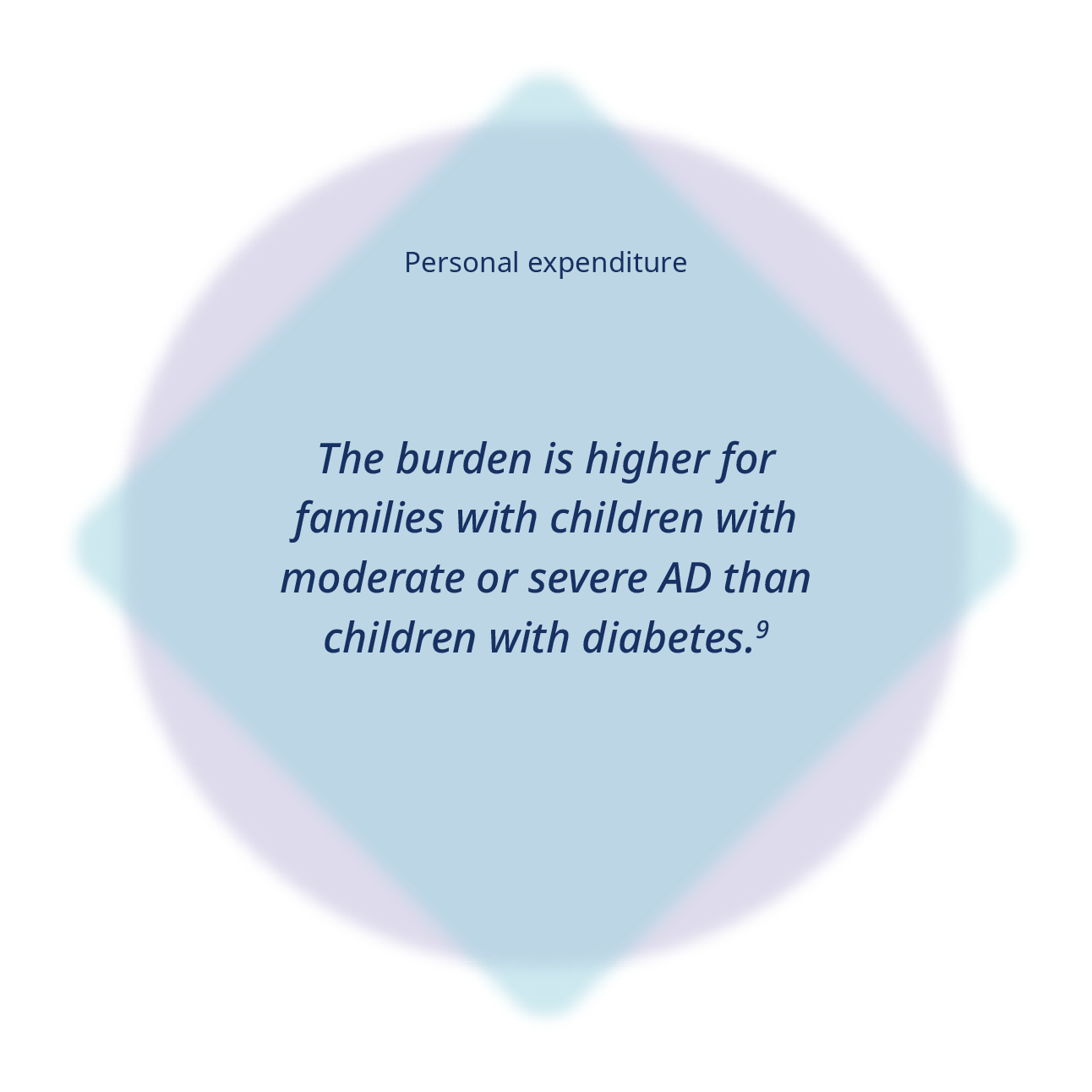
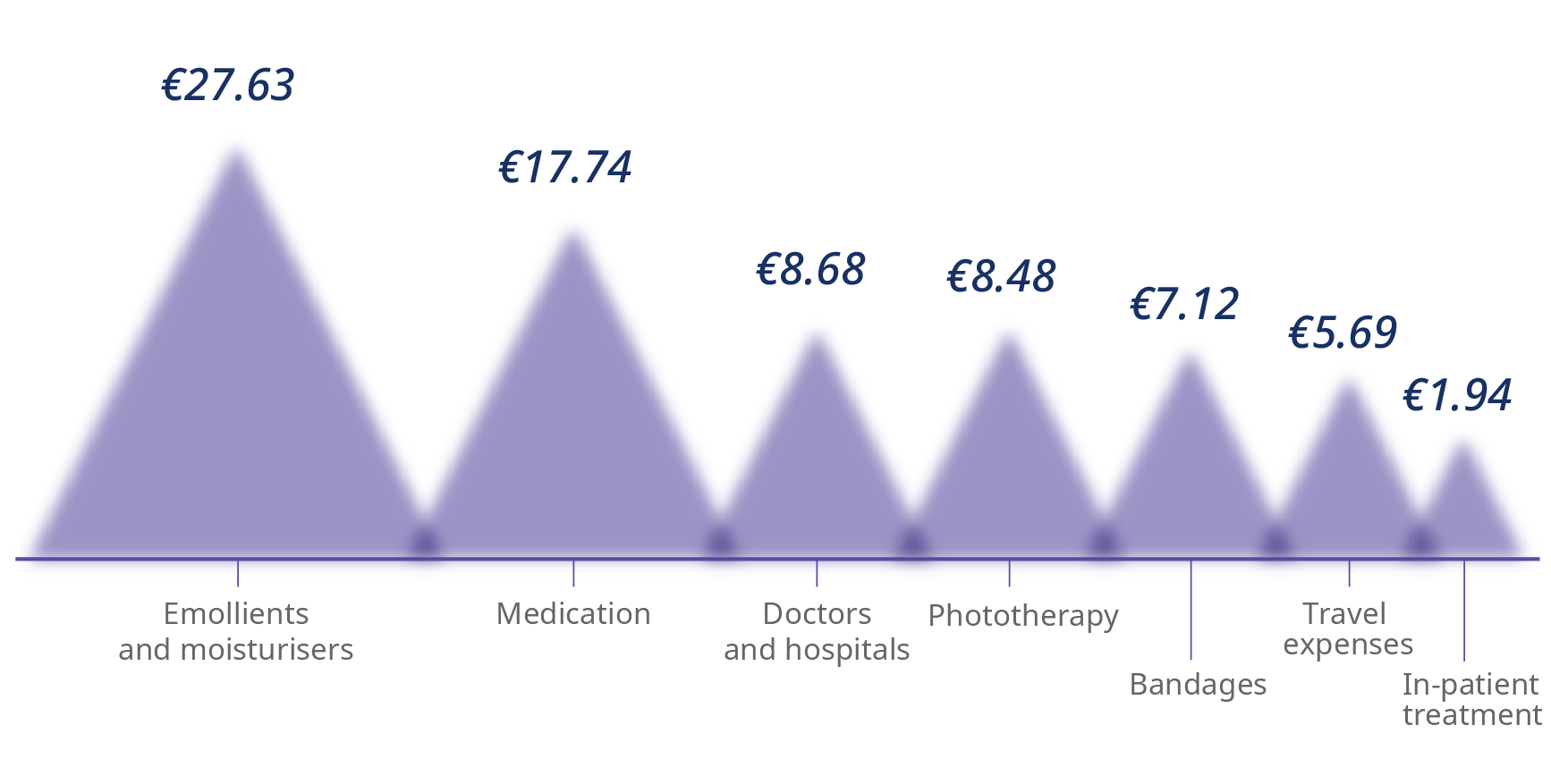
Skin care products, like emollients, can put a financial burden on carers and people with AD. For example, one study estimated out-of-pocket costs for adult patients in Europe were on average €77 every month.
Society
The cumulative burden of AD comes at a cost to society
One study states that the costs for moderate-to-severe AD in adults in Europe are €30 billion every year.

What needs to be done to relieve the cumulative AD burden?
We need to join forces and take decisive action to address the following key areas together:

Education and awareness
Enact policies to safeguard people with chronic inflammatory skin diseases from discrimination.
Launch education campaigns to raise awareness, debunk myths, reduce stigma, promote health literacy and empower patients to seek care on atopic dermatitis.

Healthcare and treatment access
Tackle disparities in access to care and treatment for people with moderate-to-severe AD to ensure healthy physiological, emotional, social, and intellectual development from a young age.
Ensure access to affordable and personalized treatments for AD, emphasizing continuous, integrated care and support for the mental and financial well-being of patients and their caregivers.
Economic burden relief
Recognize and address societal costs of delayed access to appropriate therapies, particularly the economic impact of work and school absences.
Design healthcare coverage and payment policies to facilitate patient access to dermatological care and skin treatments.

Research
Fund research on the effects of untreated skin diseases and their stigmatization.
Prioritize studies on the personal short- and long-term impacts of skin diseases on school performance, socialization, career paths and relationships.
Take action
In May 2025, the 78th World Health Assembly adopted the skin health resolution, making skin diseases a global public health priority. Your support is essential to reduce the burden on the more than 2 billion people worldwide living with skin diseases. Take action today and share the below LinkedIn post and images with your network to drive change.